AI code security standards: Guide for secure development
"Standardization provides the blueprint for seamless integration, ensuring that diverse systems can communicate without error."
Establishing AI code security standards requires a shift from reactive patching to proactive, structured development workflows.
This guide provides a framework for managing AI-generated code through rigorous review processes, version control, and adherence to evolving technical specifications to prevent vulnerabilities. 1. Implement continuous peer review for all AI-generated logic. 2. Maintain strict version control to track automated code changes. 3. Align development with recognized international technical specifications. * Verify all automated outputs against manual security benchmarks.
How do we establish AI code security standards?
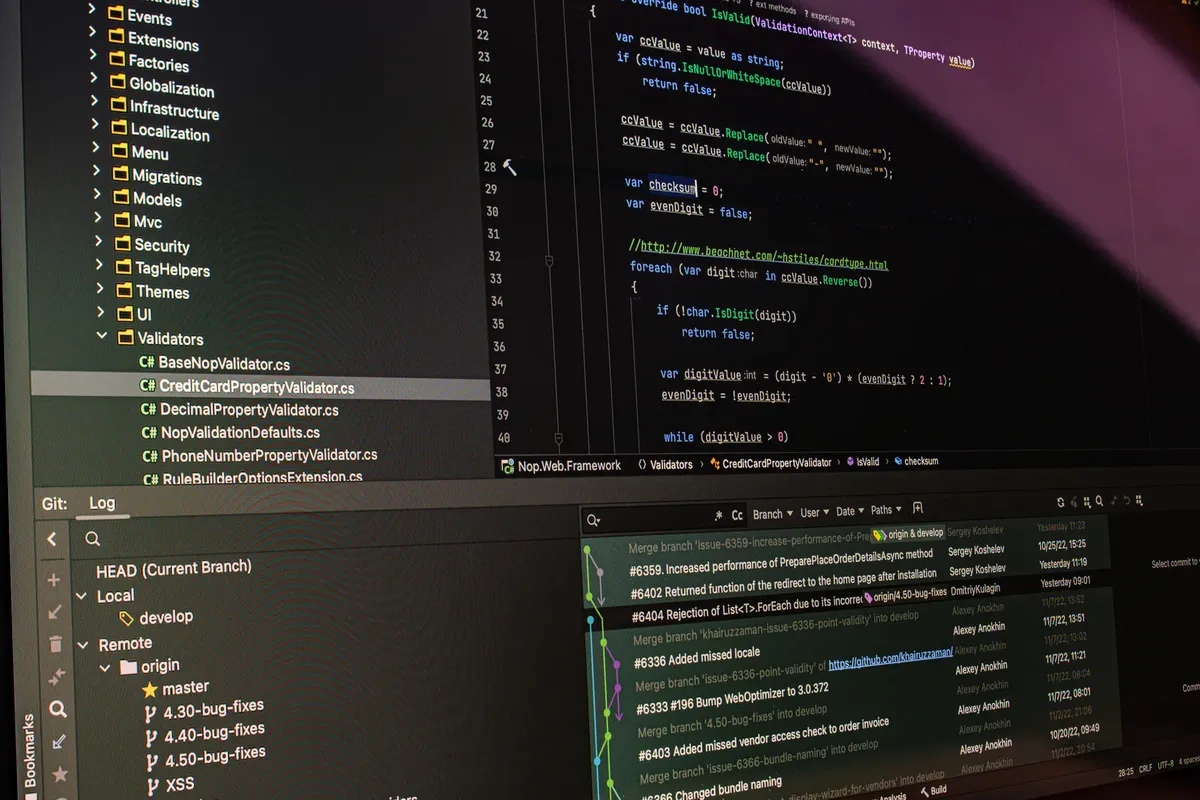
At midnight in the dim office, a developer rubs tired eyes while scrutinizing a complex block of code for hidden flaws.
A developer sits at a workstation, reviewing a block of Python code suggested by an AI agent to ensure no logic flaws exist. Establishing AI code security standards involves creating a repeatable set of rules that govern how automated code is accepted into a production environment.
According to ISO, the ISO/IEC 18004:2024 Information technology — Automatic identification and data capture techniques — QR code bar code symbology specification notes that there is some variation between most of the implementations at the application layer.
The process begins by defining what constitutes "safe" code within a specific organizational context. This requires setting clear boundaries for what an AI can suggest and what must be manually verified.
By defining these parameters early, teams can treat AI outputs as untrusted input that requires validation. This foundational step ensures that the speed of AI does not bypass the fundamental necessity of human oversight and security auditing.
How can I secure my AI-driven dev collaboration?
During a tense morning meeting, a lead developer points at the screen as the cold air of the conference room hits their skin, highlighting a flaw in the generated code. An engineering lead shares a screen during a remote meeting, pointing out a specific function where an AI-suggested library might have a vulnerability. Effective Dev collab security AI practices focus on the intersection of human expertise and automated efficiency.
Collaboration must be built on a "trust but verify" model where the human developer remains the final authority. Teams should use shared linting rules and automated testing suites to catch common errors immediately after the AI generates them.
This collaborative environment ensures that security is not an afterthought but an integral part of the daily coding rhythm. Integrating these checks into the CI/CD pipeline allows for automated gatekeeping while maintaining high development velocity.
How can we maintain a Secure AI coding flow?
A developer clicks through a series of automated test results, checking for regressions after an AI-driven refactor.
Maintaining a Secure AI coding flow requires integrating security checks directly into the development lifecycle to prevent the introduction of vulnerabilities during rapid iterations.
To maintain this flow, teams should follow these three steps: 1. Isolate AI-generated code in a sandbox environment for initial testing. 2. Apply automated static analysis tools to every AI-suggested code block. 3. Perform manual peer reviews on all critical logic changes.
Checking the results against established security policies ensures that the automated elements do not drift from the project's safety requirements. I once observed a team that bypassed these steps, only to face significant troubleshooting during a deployment failure.
How much does AI code review actually improve security?
A junior developer watches a senior engineer perform a deep dive into a complex algorithm, noting how the human eye catches subtle flaws the machine missed.
An AI agent code review is a specialized audit where a human expert evaluates the integrity, efficiency, and security of code produced by an automated agent.
This review process is not merely about finding bugs but about understanding the intent and the potential side effects of the code. Reviewers must look for "hallucinated" functions or insecurely implemented logic that might appear correct during a surface-level scan.
By treating AI output as a first-class citizen subject to the same scrutiny as human-written code, teams prevent the accumulation of technical debt and security risks.
What are the limitations of AI-driven development?
A project manager reviews a roadmap, noting that while AI speeds up production, it cannot replace the strategic oversight required for complex systems. A limitation of AI-driven development is that it depends heavily on the quality and security of the data and models used to generate the code.
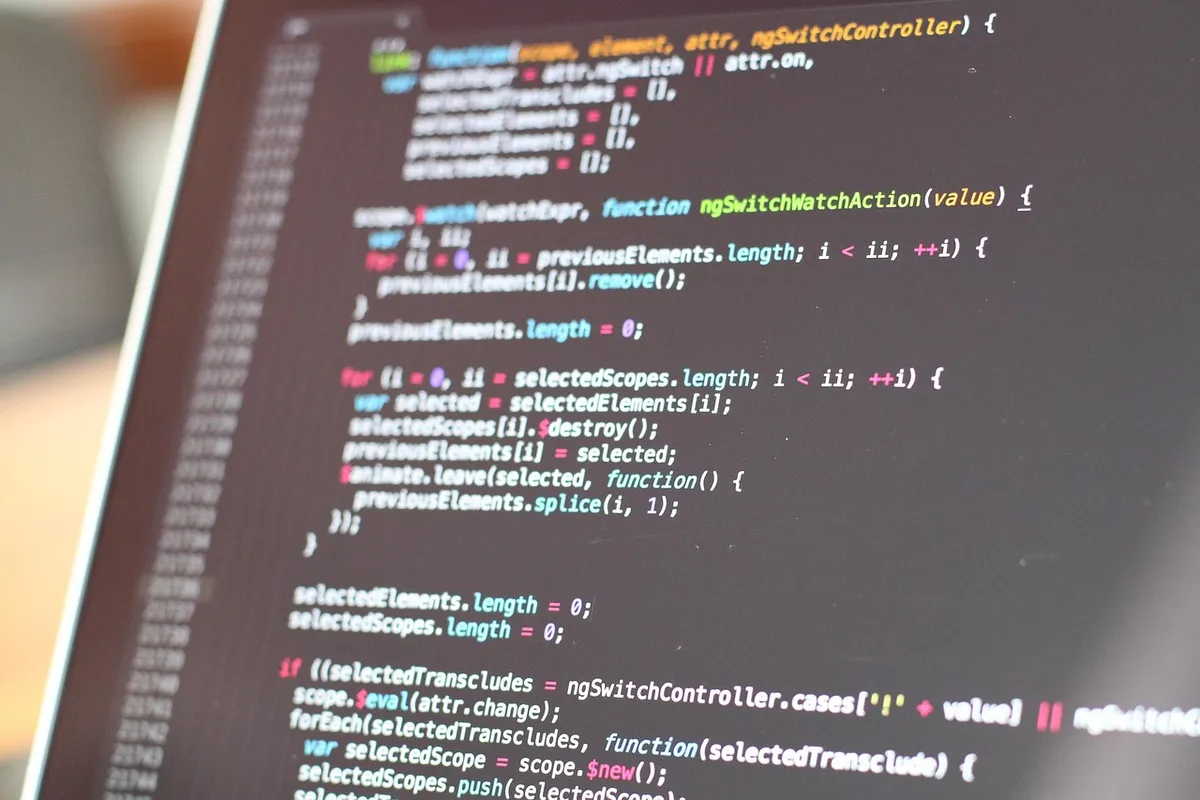
While AI can suggest syntactically correct code, it may not understand the broader architectural implications or the specific security context of a unique environment. This means that without human intervention, the system remains vulnerable to context-blind errors.
| Feature | Manual Development | AI-Assisted Development |
|---|---|---|
| Primary Oversight | Human-led | Human-verified |
| Speed of Iteration | Standard | High |
I found that relying too heavily on automated suggestions without manual verification often led to more time spent fixing issues than writing original code.
The same subject is also called AI code safety rules.
This part also covers AI developer security guide.
This part also covers New standards for AI code.
This part also covers Preventing AI code flaws.
AI developer security guide
Related

Comments 0