AI code security testing: Guide to isolated code validation
"The greatest threat to a secure environment often comes from within the very walls built to protect it."
Effective AI code security testing requires a rigorous approach to ensure that generated logic does not introduce vulnerabilities into production environments.
This guide focuses on implementing an isolated code validation process to protect sensitive systems from both external threats and internal risks.
Key takeaways include the necessity of sandbox environments, the importance of separating testing from production, and the management of internal actor risks.
How does AI code security testing prevent leaks?
At midnight in the dim office, the developer's fingers tremble as they isolate a suspicious block of code to prevent a sudden leak.

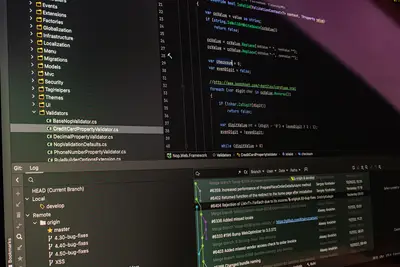
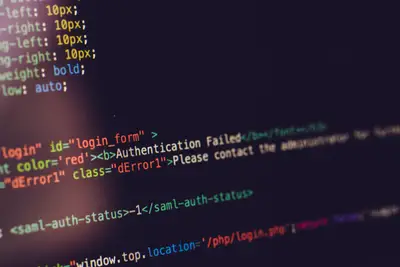
A developer works at a workstation, carefully isolating a new block of AI-generated code from the main repository to prevent accidental deployment. This initial step of AI code security testing ensures that unverified logic remains within a controlled environment.
By isolating the code, teams can run deep scans without risking the integrity of live systems.
The primary goal of this process is to prevent malicious or faulty logic from reaching the production stage. When teams perform AI code security testing, they create a buffer that prevents automated errors from propagating.
This isolation is essential because AI-generated content can vary significantly in quality and security posture.
The risk of unauthorized access or accidental damage is a constant concern during the development lifecycle. According to the Verizon Data Breach Investigations Report 2020, which examined 3,950 security breaches, 30% of cybersecurity incidents involved internal actors within a company.
This statistic highlights why an isolated code validation approach is necessary to monitor and audit all changes before they are integrated.
What is the best way to set up an isolated code validation process?
An engineer opens a virtual machine, creating a clean slate to run a suite of automated testing tools. This setup represents the core of an isolated code validation process, where the environment is completely detached from the company network.
This prevents any potential malware or backdoors from communicating with external servers during the testing phase.
The setup must be robust enough to mimic the production environment while remaining entirely sandboxed. An isolated code validation process typically involves using containerization or specialized virtual machines to house the code.
This ensures that any breakout attempt or system-level vulnerability remains contained within the test environment.
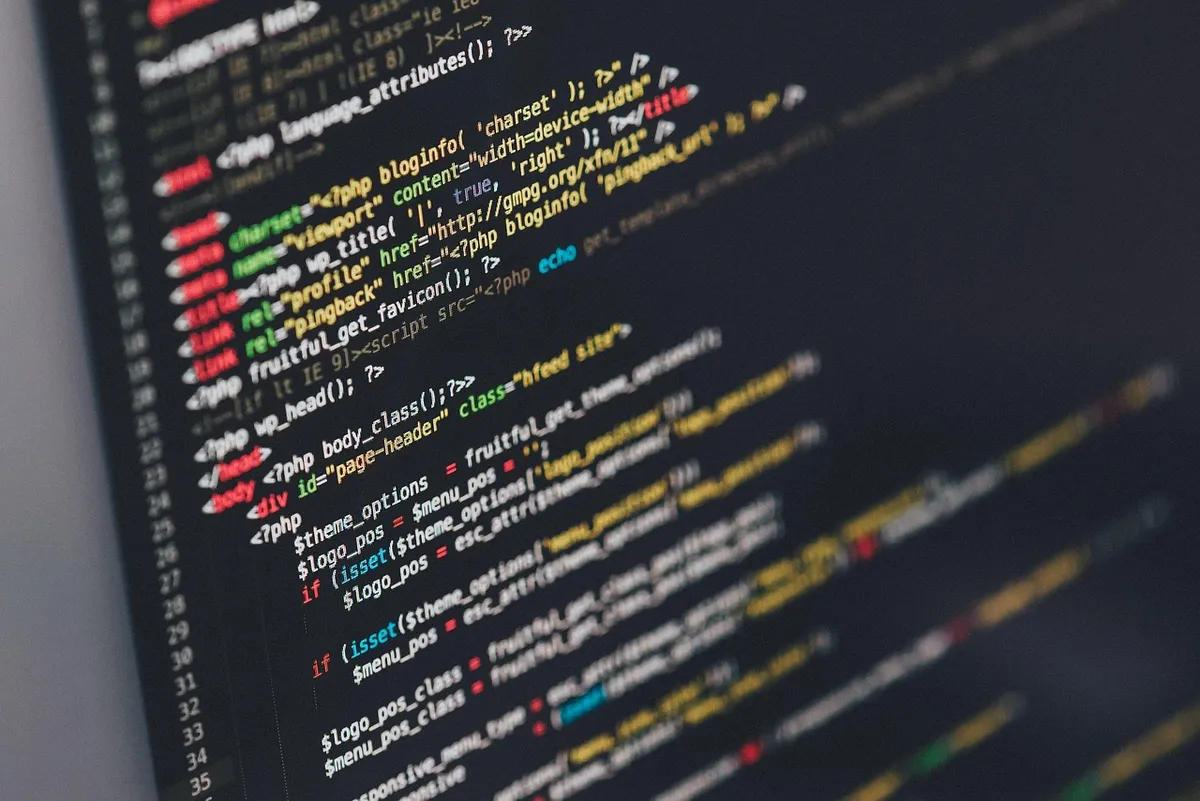
A secure code testing setup requires careful configuration of network rules to block all outgoing traffic unless specifically permitted for testing purposes. This level of control allows security teams to observe how the code behaves under various stress tests.
By maintaining a strictly controlled environment, the risks of data exfiltration or lateral movement are significantly reduced.
How can we perform an AI vulnerability check effectively?
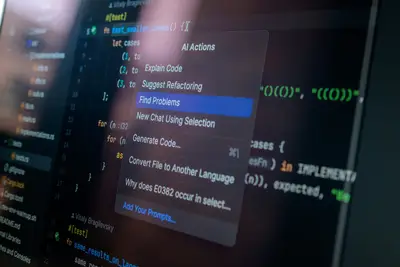
A security analyst runs a series of automated scripts against a fresh code snippet, watching for unexpected system calls. This systematic approach is how an AI vulnerability check identifies hidden flaws that might not be obvious to a human reviewer.
According to the International Air Transport Association, International Air Transport Association airport codes are three-letter codes used to designate airports and used for bag tags.
The goal is to find logical errors, hardcoded secrets, or insecure dependencies.
An effective AI vulnerability check involves running static analysis tools alongside dynamic testing in the sandbox. While static analysis looks at the code structure, dynamic testing observes the code as it executes.
This dual approach helps catch both syntax-based vulnerabilities and runtime-specific issues that only appear during execution.
The analyst must also consider how the AI might have been manipulated to produce insecure patterns. An AI vulnerability check should include checks for "prompt injection" or "poisoned" logic that may have been introduced during the model training or generation phase.
Testing should be repetitive and thorough to ensure no edge cases are missed.
What are the steps for a secure code testing setup?
A technician prepares a dedicated server, ensuring all hardware and software are updated to the latest security standards before loading the test code. This preparation is the foundation of a secure code testing setup.
Without a clean and standardized environment, the results of the security tests may be unreliable.
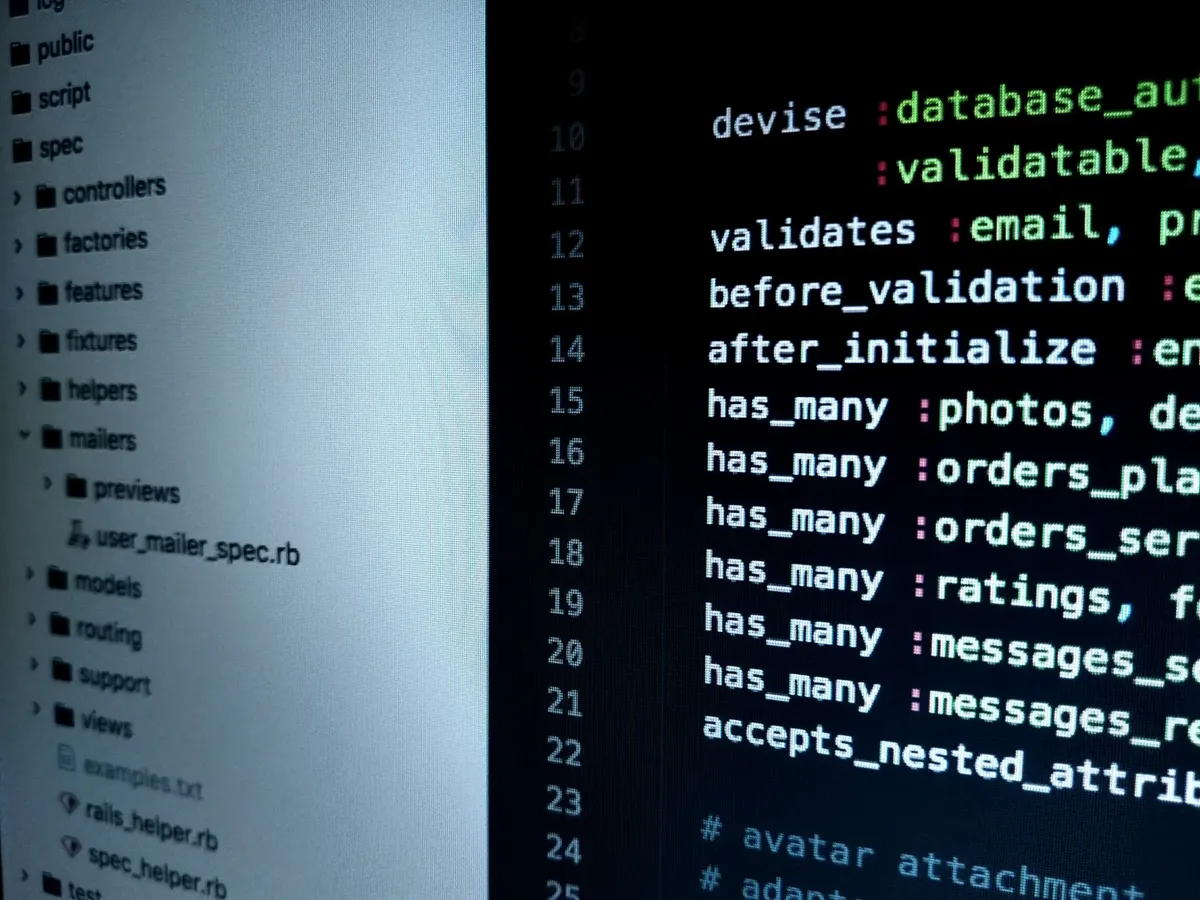
To implement these measures, follow these three steps:
- - Create a hardened sandbox environment using containerization technology to isolate the execution environment. 2. - Integrate automated scanning tools directly into the isolated environment to perform continuous testing. 3. - Establish strict network egress rules to prevent the code from communicating with any unauthorized external endpoints.
After completing these steps, perform a final check to ensure that the sandbox has no persistent access to the host machine or the broader corporate network. This final verification confirms that the environment is truly isolated.
What does a sandbox code review involve?
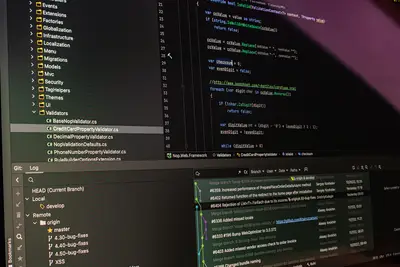
A researcher monitors a dashboard of logs while the test code runs through a series of simulated attacks. This active observation is a critical part of a sandbox code review.
By watching the real-time behavior of the code, the reviewer can see how it interacts with the operating system and temporary files.
A sandbox code review goes beyond simple automated scans to look at the behavioral patterns of the software. This includes monitoring for unusual file access, unexpected network requests, or attempts to escalate privileges.
This manual and automated oversight ensures that the code's behavior matches its intended purpose.
The reviewer must compare the observed behavior against a baseline of expected actions. If the code attempts to perform an action outside of its scope, it is flagged for manual investigation. This process is vital for catching sophisticated threats that evade traditional signature-based detection.
How do we manage the risks of internal actors during testing?
A manager reviews access logs to ensure that only authorized personnel can interact with the testing environment. This oversight is a necessary component to mitigate the risks posed by internal actors.
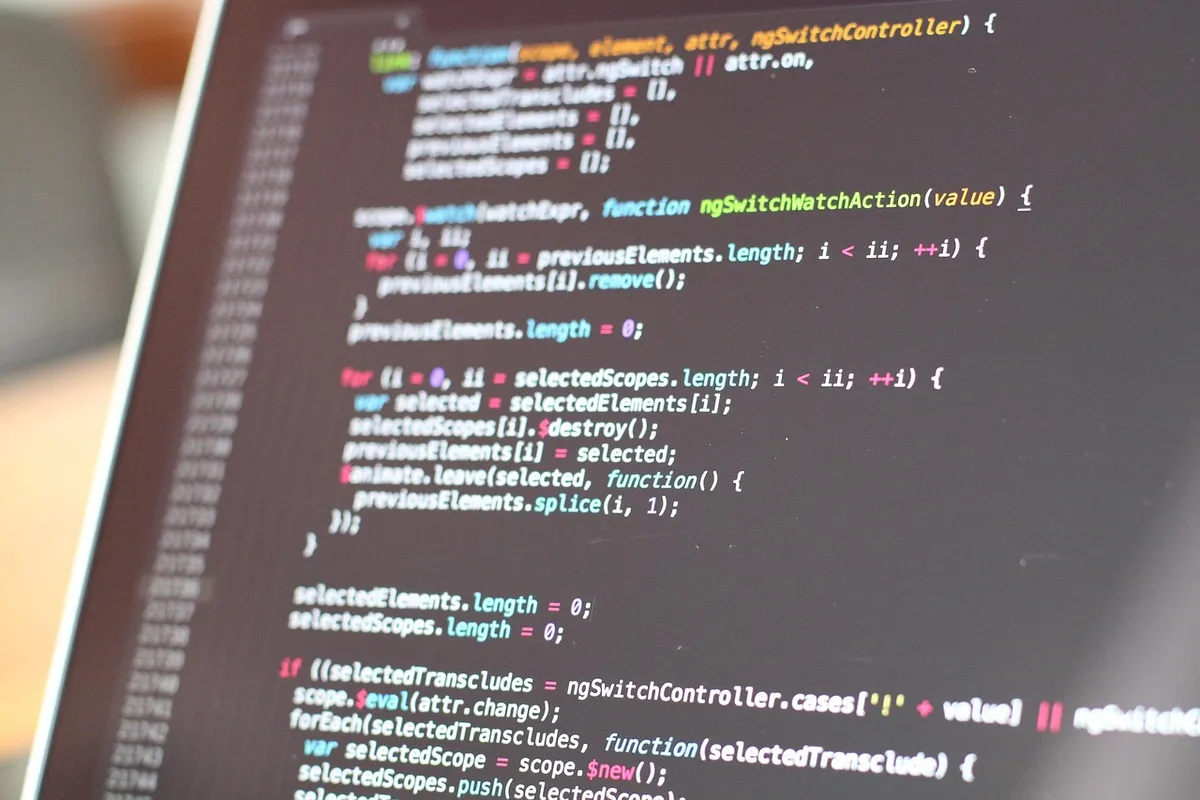
Even in a controlled environment, the people managing the tools must be subject to strict access controls.
Managing risk requires a combination of technical controls and administrative policies. A secure code testing setup must include detailed logging of all user actions within the sandbox.
This creates an audit trail that can be used to investigate any suspicious activity or accidental policy violations.
I once observed a situation where an unauthorized user attempted to access a testing environment through a shared credential. This reinforced my belief that identity management is just as important as the technical sandbox itself.
The limitations of these methods depend on the sophistication of the threat and the completeness of the sandbox isolation.
- How does AI code security testing prevent leaks?
- What is the best way to set up an isolated code validation process?
- How can we perform an AI vulnerability check effectively?
Related
Comments 0