How Generative AI changes the way we learn programming
The rise of generative AI has shifted the focus of programming from manual syntax mastery to high-level architectural oversight.
"The code is no longer just written; it is curated."
This transition means learners must move from being "writers of code" to "reviewers of logic," focusing on problem decomposition and system design rather than memorizing every semicolon.
* Shift from syntax memorization to logical architecture. * The importance of prompt engineering in debugging and scaffolding. * Critical thinking as the primary defense against AI-generated errors. * The evolving role of the developer in an automated ecosystem.
Why is the way we learn syntax changing on Generative?
In the morning I hold generative and walk through the next step.
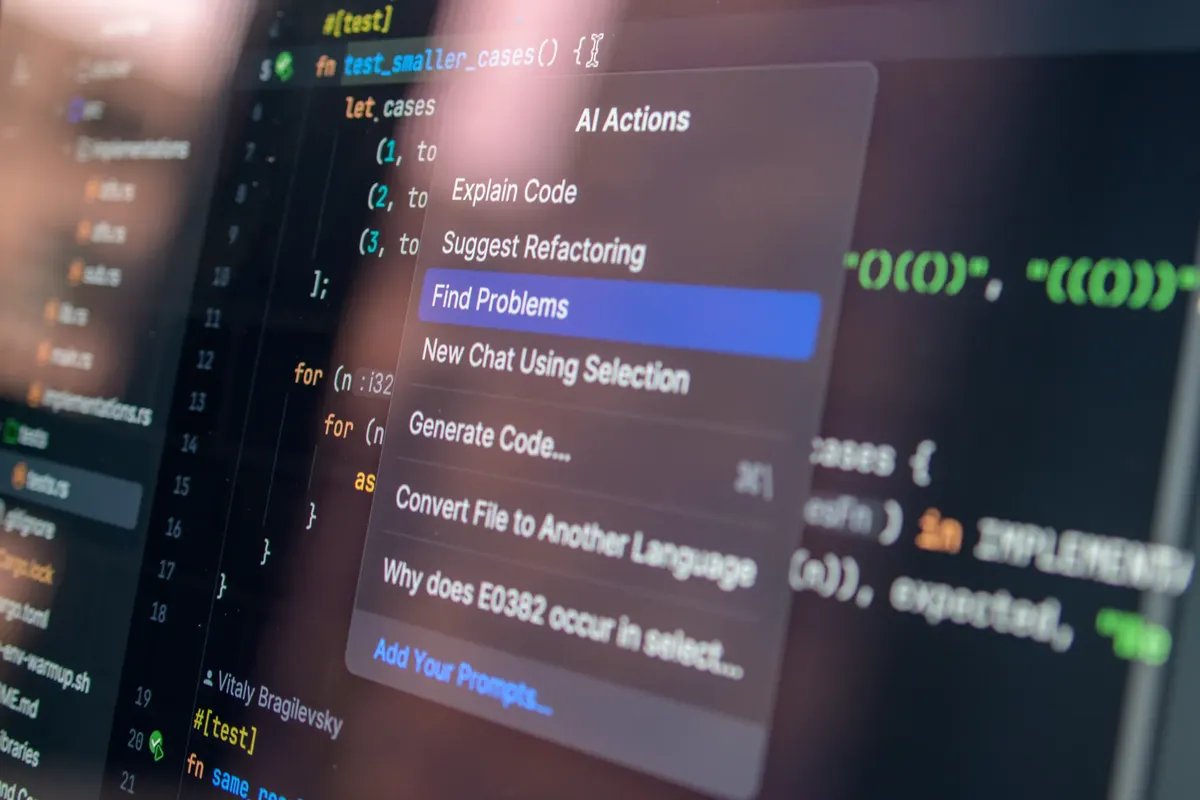
I sat at my desk in a quiet corner of a Seattle cafe, staring at a terminal window where a single sentence of natural language had just blossomed into a functional Python script.
The transition from typing every bracket to describing a function felt like moving from manual carpentry to operating a CNC machine.
The traditional method of learning programming involved months of repetitive exercises to build muscle memory for syntax. With generative AI, the barrier to entry for writing basic code has plummeted, making the "how to write" phase much shorter than the "how to think" phase.
Because AI can handle the boilerplate, the learning curve is shifting toward understanding how different modules interact.
This change doesn't make learning syntax useless, but it changes the goal. Instead of learning how to write a loop, learners must now understand when a loop is the most efficient structure for a specific data set.
The focus is moving toward computational thinking—the ability to break a complex problem into small, manageable parts that an AI can then help implement.
- Identify the core logic of a problem.
- Translate requirements into natural language prompts.
- Refine the generated code for specific constraints.
How does ChatGPT change the debugging process?
In the evening I hold generative and walk through the next step.
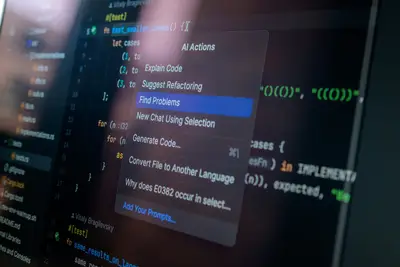
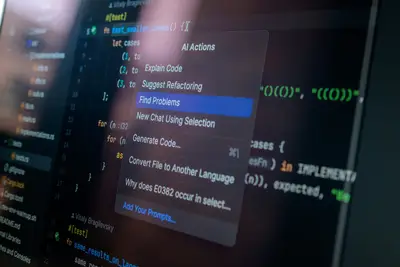
A red error message flashed across my screen, and instead of scouring Stack Overflow for three hours, I highlighted the block and asked the AI to explain the logical fallacy. The response didn't just fix the bug; it explained why the specific memory leak occurred in that context.
In the past, debugging was a scavenger hunt for missing characters or misunderstood scope. Now, AI tools act as an immediate, conversational tutor that can explain errors in real-time.
This accelerates the feedback loop, allowing students to learn from their mistakes instantly rather than waiting for a human instructor or a forum response.
However, this speed carries a risk of "blind acceptance." If a learner simply copies a fix without understanding the underlying principle, they fail to build the mental models required for complex troubleshooting.
The new debugging paradigm is about using AI to explain the *why*, not just to provide the *what*.
In this sequence, the second step is the most extensive.
What does AI-driven coding look like in practice?
I watched a junior developer attempt to build a full-stack web application by feeding architectural requirements into a chat interface, watching as the AI drafted the database schema and the API endpoints. It looked less like coding and more like conducting an orchestra.
The practical application of AI in programming follows a three-step workflow that replaces the traditional "write-test-fix" cycle:
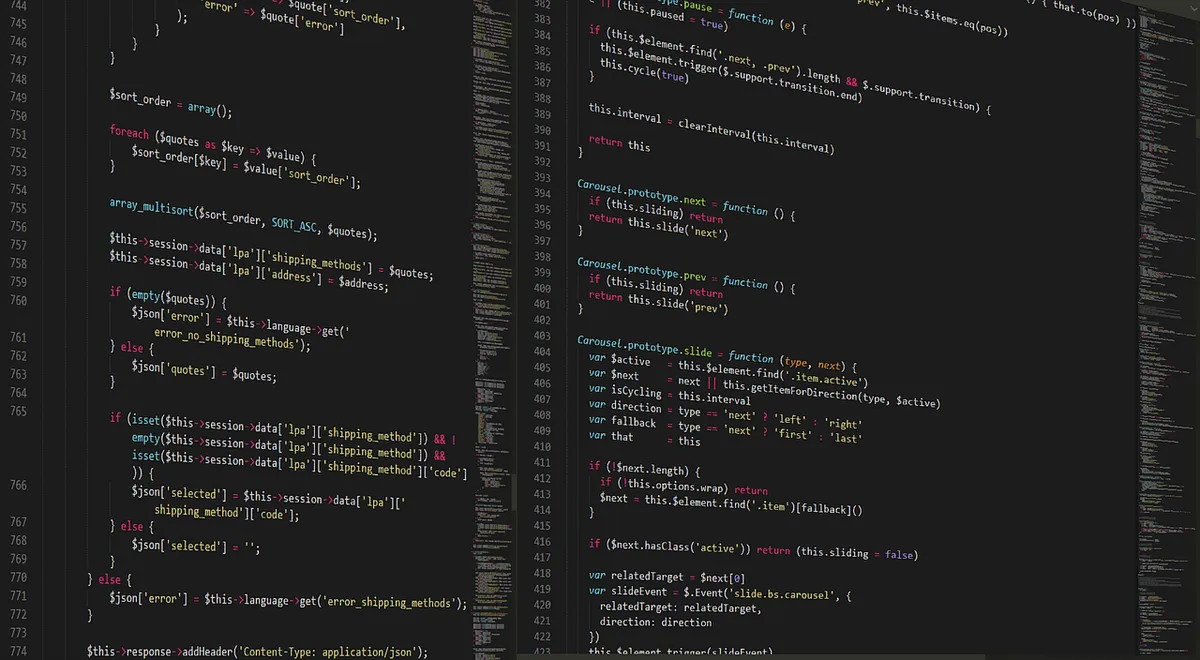
- Requirement Decomposition: Translating a business goal into a structured prompt that defines the scope, language, and constraints. 2. Iterative Generation: Using the AI to generate scaffolded code and then refining the output through incremental prompts. 3. Validation and Integration: Manually testing the generated code to ensure it meets security standards and fits into the existing codebase.
This workflow requires a different kind of literacy. A developer must be able to describe a problem with enough precision that the AI produces usable results. This is the essence of prompt engineering—the ability to communicate technical requirements through natural language.
Can we still teach fundamental logic?
A student once asked me if they should even bother learning data structures if an AI can generate them instantly. It is a valid question that hits at the heart of modern computer science education.
The answer is that fundamentals are more important than ever. While an AI can write a sorting algorithm, it cannot intuitively understand the architectural trade-offs of a specific system without human guidance.
If a learner does not understand time complexity or memory management, they will not know when the AI's "efficient" solution is actually causing a system bottleneck.
The curriculum of the future will likely focus on: * Algorithmic complexity and optimization. * System design and microservices architecture. * Security principles and vulnerability assessment. * Data integrity and state management.
The goal is to build a foundation that allows the human to act as the "quality control" for the machine.
How will the job market respond to AI programmers?
Walking through a tech hub, I noticed the conversation shifting from "how many languages do you know" to "what kind of systems have you built." The value of a programmer is no longer tied to their ability to write code faster than a human, but to their ability to solve problems that an AI cannot.
The job market is beginning to differentiate between "coders" and "engineers." Coders who only perform repetitive, predictable tasks are at high risk of automation.
Engineers who can manage complex systems, oversee AI-driven workflows, and bridge the gap between business needs and technical execution will see their value increase.
This shift requires a move toward higher-level problem-solving. Companies will look for individuals who can manage the entire lifecycle of a product, using AI to handle the heavy lifting of implementation while they focus on strategy, user experience, and system reliability.
Is there a limit to this automated learning?
I remember a time when I spent an entire weekend trying to understand a single pointer error in C++, and that struggle was what finally made the concept stick in my brain. There is a danger that the ease of AI will rob learners of the "productive struggle" necessary for deep learning.
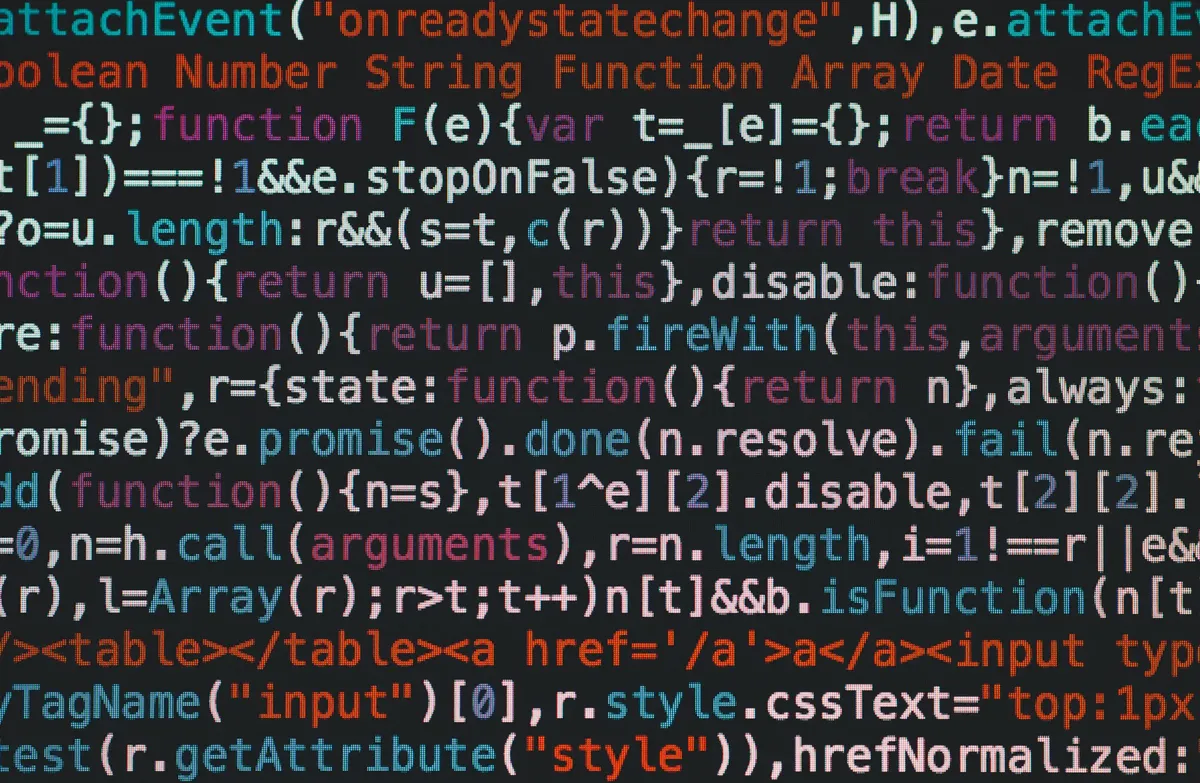
One limitation of this new paradigm is that AI-generated code can often be a "black box." If a learner relies too heavily on the tool to solve every problem, they may never develop the intuition required to handle edge cases or unique architectural challenges.
The lack of struggle can lead to a superficial understanding that collapses when the AI fails or produces a hallucination.
According to The New York City Department of Education, the recorded figure is 4.
According to UNESCO, the item is on record.
According to Federal Trade Commission, the item is on record.
According to Higher Education Authority, the item is on record.
The record names the year 2023.
The record names the year 2000.
This order does not hold, however, when the figure is not 68%.
| Item | Figure |
|---|---|
| 1 | 68% |
| 2 | 57% |
Related



Comments 0