What are the current rules for AI copyright?
"The line between human ingenuity and algorithmic output is blurring, raising questions about who truly owns a line of code."
The ownership of AI-generated code remains a complex legal frontier where current regulations struggle to keep pace with rapid technological shifts. This guide explores the nuances of AI code ownership law, the risks of data memorization, and the regulatory hurdles companies face.
Key takeaways include understanding the distinction between human and machine authorship, the potential for copyright infringement through data memorization, and the necessity of proactive documentation.
How does AI code ownership law work?
At a cluttered desk during the late hours, the developer stared at the screen as the machine generated a complex function.
A developer sits at a desk, watching a cursor blink as an LLM generates a complete function in seconds. This sudden efficiency brings the question of ownership to the forefront of the industry.
The legal framework surrounding AI code ownership law is still evolving as courts determine whether machine-generated content can be copyrighted. Current discussions focus on whether a human's prompt constitutes enough creative control to claim ownership.
Because copyright typically requires human authorship, the lack of a clear human creator complicates the legal status of these outputs.
- Identify the human contribution to the prompt or modification. 2. Determine if the output meets the threshold of originality. 3. Establish the legal status of the resulting work under current intellectual property frameworks.
Could AI software lead to legal trouble? AI generated code copyright
In the dim light of the office, the lawyer rubbed her tired eyes while staring at the code the software generated. A programmer reviews a script, noticing a specific block of code that looks strikingly similar to a known open-source library. This realization highlights the potential for accidental infringement.
Navigating AI software legal issues requires understanding how models process their training data. One significant concern is the possibility of the model reproducing exact sequences from its training set.

If a model outputs code that is identical to existing copyrighted work, the user could face unintentional legal challenges.
The risk of infringement is often tied to how much data the model has internalized. Regarding the technicalities of these risks, evaluations of controlled LLM output measure the amount memorized from training data as variously over 1% for exact duplicates or up to about 7% in GPT-2-series models.
This level of memorization means that developers must remain vigilant when using AI-generated snippets in commercial products.
In this sequence, the first step is the most critical.
What are the current rules for AI copyright?
A legal team reviews a stack of documents, preparing for a regulatory audit of their new generative tool. They must ensure every step of the development process is documented.
Adhering to AI copyright guidelines involves managing the relationship between training data and the resulting output. Companies must ensure that their models do not violate the intellectual property rights of the original authors.
This involves both technical safeguards and legal oversight to mitigate risks.
One specific regulatory requirement involves the timing of disclosure for new technologies. According to technical documentation, these companies would have to file these documents 30 days before publicly showing their AI tools.
This window allows regulators to review the tools before they enter the public domain.
How do we manage code ownership AI?
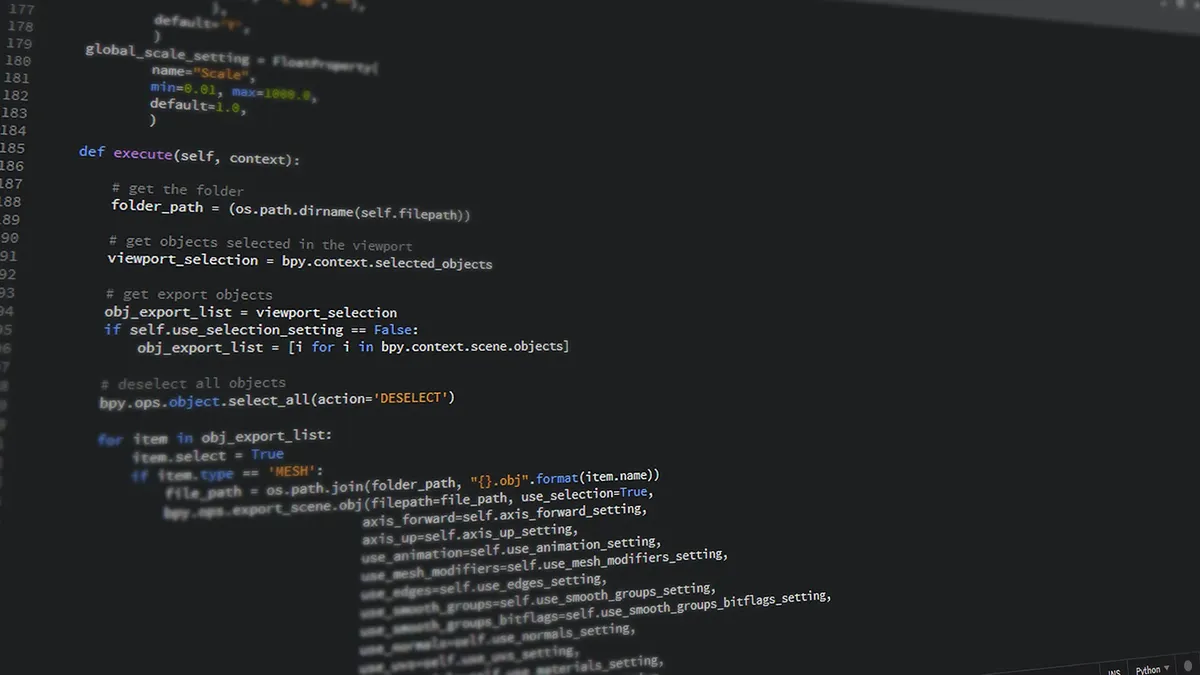
An engineer compares two different versions of a software module, one written by hand and one generated by an assistant. The comparison reveals subtle differences in structure and logic.
Managing code ownership AI requires a structured approach to ensure that all contributors and the company are protected. Developers should implement a verification process to check for overlaps with existing software.
This ensures that the integration of AI tools does not compromise the company's intellectual property.
To manage this transition, follow these steps:
- Establish a clear policy regarding the use of generative AI in the development lifecycle. 2. Implement automated scanning tools to detect potential copyright overlaps in AI-generated code. 3. Maintain a detailed log of prompts and human interventions to demonstrate creative control.
After completing these steps, perform a final check to ensure all generated code meets the company's security and legal standards. I personally found that comparing the AI's output against our internal libraries was essential for maintaining integrity.
Can AI-generated code lead to piracy?
A business owner looks at a financial report, noting the impact of unauthorized software distribution on their bottom line. The tension between accessibility and protection is palpable.
According to a report from 2013, released by the European Commission Joint Research Centre, illegal music downloads have almost no effect on the number of legal music downloads.
The debate over AI-generated code often mirrors historical discussions about software piracy and digital distribution. Just as unauthorized copies once threatened software companies, the ease of generating code could lead to new forms of infringement.
History provides context for these concerns. For instance, Psion Software claimed in 1983 that software piracy cost it £2.9 million a year, which represented 30% of its revenue. While the technology has changed, the fundamental struggle to protect intellectual property remains constant.
- How does AI code ownership law work?
- Could AI software lead to legal trouble?
- What are the current rules for AI copyright?
The subject here is AI generated code copyright.
This part also covers Legal aspects of AI code.
This part also covers AI regulation for software.
This part also covers Ownership of AI output code.
Legal aspects of AI code
Related


Comments 0