AI code review error reduction tips for system integrity
"The integrity of automated systems depends entirely on the rigor of the human-led validation processes that govern them."
To achieve AI code review error reduction, teams must implement a multi-layered verification framework that combines automated scanning with structured human oversight.
This approach ensures that machine-generated suggestions are validated against specific architectural constraints and security standards before being merged into the main codebase.
Success requires a balance of automated review accuracy and developer collaboration in code audit to prevent subtle logic flaws.
How to implement AI code review error reduction?
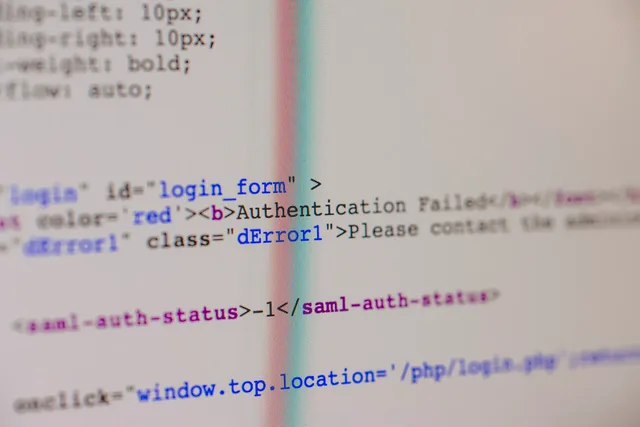
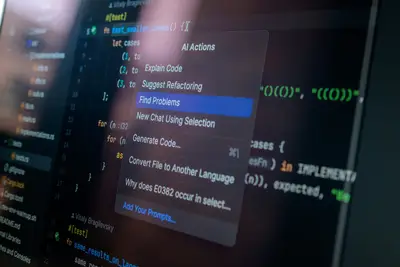
A developer sits in a quiet office, watching a cursor blink next to a block of code flagged by an automated agent. The screen displays a suggestion for a refactor, but the logic seems slightly off regarding the existing data structure.
Implementing AI code review error reduction requires moving beyond simple pattern matching to a system of continuous, multi-stage validation.
Effective AI code review error reduction focuses on minimizing the gap between suggested syntax and functional intent. To reach this goal, teams must integrate systematic code validation into their existing CI/CD pipelines.
This ensures that every AI-generated comment is treated as a preliminary hypothesis rather than a final directive. By prioritizing lowering AI review faults through rigorous testing, organizations can maintain high velocity without sacrificing stability.
The process relies on structured code checking to identify edge cases that a large language model might overlook. Furthermore, enhancing automated review accuracy involves training or fine-tuning models on the specific proprietary patterns of a local repository.
This prevents the AI from suggesting generic solutions that violate unique internal security protocols.
To reduce errors, integrate AI tools directly into the CI/CD pipeline to provide real-time feedback and establish a feedback loop where developers correct AI mistakes to refine the model's context.
How do I design a process for AI code review?
The workstation is cluttered with printouts of architectural diagrams and several open terminal windows. I carefully map out the flow of a pull request, noting exactly where the AI agent intercepts the code and where the human engineer takes over the final decision.

Designing a process design for AI code review requires a clear delineation of responsibilities.
To build a functional workflow, follow these essential stages:
- Define the scope of AI intervention by specifying which code modules are eligible for automated suggestions and which require mandatory human-only review. 2. Establish a feedback loop where developers flag incorrect AI suggestions, creating a dataset that informs future adjustments to the tool's configuration. 3. Integrate automated unit tests that specifically target the logic changes proposed by the AI to ensure no regression occurs.
After completing these steps, perform a final check by auditing the delta between the AI's original suggestion and the developer's final committed version. This helps in the precise measurement of review errors over time.
- Define the specific coding standards and security rules the AI must enforce.
- Integrate the automated tool into the existing pull request workflow.
- Establish a manual verification step to validate AI-generated suggestions.
Can I precisely measure my code review errors?
A project manager stares at a dashboard showing a rising trend in reverted commits. The data points to a specific period where AI-driven suggestions were accepted without sufficient secondary testing.
Utilizing precise measurement of review errors allows teams to quantify the impact of automation on their technical debt.
By tracking the frequency of "false positives" (where the AI suggests a change that is unnecessary or incorrect) and "false negatives" (where the AI fails to catch a bug), teams can adjust their automation levels.
This data-driven approach facilitates developer collaboration in code audit by providing clear metrics on where human intervention is most critical.
| Metric Category | Focus Area | Primary Goal |
|---|---|---|
| Accuracy | Logic Validity | Reducing false positives |
| Coverage | Security Scans | Identifying missed vulnerabilities |
I found that comparing these two categories helps identify whether the tool is too aggressive or too passive in its suggestions.
Developers can track error precision by comparing the number of AI-flagged issues against the actual number of confirmed bugs found during manual audits or production incidents.
What is the role of developer collaboration in code audit?
The team gathers around a large monitor in a brightly lit conference room to discuss a complex merge conflict. One senior engineer points to a line of code that the AI marked as "optimized," while another explains why that optimization breaks the concurrency model.
Effective developer collaboration in code audit is the ultimate safeguard against machine error.
While the AI handles the repetitive tasks of linting and basic syntax checking, the human engineers focus on high-level design and intent. This partnership is essential for lowering AI review faults in complex, distributed systems.
When developers work together to validate AI output, they turn the automation into a teaching tool rather than a black box.
Collaboration ensures that human intuition and architectural context complement the AI's pattern recognition, allowing the team to catch logic flaws that automated tools might overlook.
Is there a limitation to automated review accuracy?
A laptop sits on a desk, its cooling fan whirring as it processes a massive repository of legacy code. The screen shows a warning that the AI cannot verify the context of a specific third-party dependency.
Achieving high automated review accuracy is subject to the quality and context of the available data.
The primary limitation is that AI tools often lack the full semantic understanding of a project's long-term architectural goals or the nuances of undocumented business logic.
Even with structured code checking, the tool may suggest a technically correct syntax that is contextually inappropriate for the specific business domain.
Automated reviews are limited by their inability to understand complex business logic, long-term project goals, or the nuanced intent behind specific architectural decisions.
Related


Comments 0